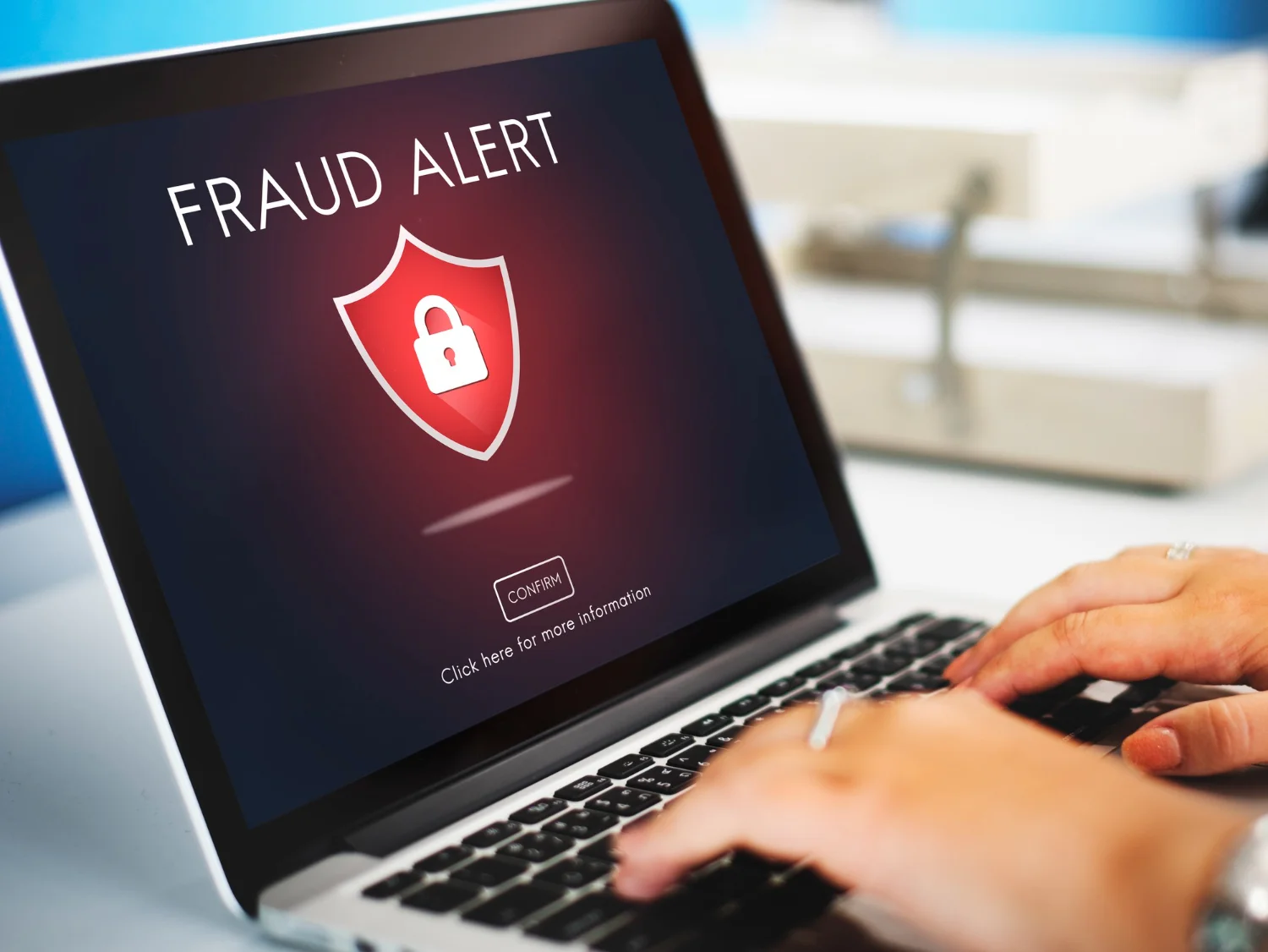
When attackers send emails that appear to come from your domain, customers and partners often can’t tell the difference between real and fake communication. Even if you’re not directly responsible, the damage still lands on your brand. Over time, spoofing weakens credibility, reduces engagement, and creates lasting doubts about whether your emails can be trusted at all.
What Is Email Spoofing?
Email spoofing is when someone sends an email that looks like it came from your domain, even though it didn’t. The sender name, email address, and branding may appear legitimate, making the message convincing to recipients.
Spoofed emails are commonly:
- Phishing attempts
- Fake invoices or payment requests
- Credential harvesting
- Brand impersonation scams
The distinction between a spoofed email and a real one isn’t always obvious. That confusion is how brand damage begins.
Trust Is Hard to Build—and Easy to Break
Brand trust is built over time through consistent, reliable communication. Email spoofing undermines brand trust in subtle but powerful ways.
When your customers receive a spoofed email:
- They may question whether your brand can protect them
- They may hesitate to open future emails
- They may stop engaging entirely
Even if only a small portion of your audience encounters a spoofed message, uncertainty can spread. People start asking themselves, “Is this email real?” That doubt alone is damaging.
Customers Blame the Brand, Not the Attacker
From a technical perspective, spoofing is an external attack. From a customer’s perspective, it’s a brand failure.
Most recipients don’t distinguish between:
- A hacker impersonating your domain
- A legitimate email sent by your organization
If a spoofed email causes confusion, financial loss, or security concerns, the frustration is often directed at the brand whose name appears in the inbox instead of the unseen attacker.
This misplaced blame can lead to:
- Loss of confidence
- Negative word‑of‑mouth
- Support complaints
- Public criticism
Spoofing Degrades Email Engagement Over Time
Even recipients who never fall for a spoofed email may still change their behavior.
Once people associate your brand with suspicious or unexpected emails, they may:
- Ignore your messages
- Stop opening them
- Delete them without reading them
Inbox providers notice this behavior and may start filtering more aggressively, pushing legitimate emails into spam folders.
Repeated Spoofing Weakens Brand Authority
Brands rely on emails for:
- Transaction confirmations
- Policy updates
- Service alerts
- Billing notices
When spoofed emails mimic these emails, recipients may question whether any email from your brand should be trusted.
In extreme cases, customers may start to rely on alternative channels or avoid emails entirely.
Internal Impact Matters Too
Email spoofing can disrupt internal operations just as much as it disrupts customers.
Employees may:
- Become unsure which emails are legitimate
- Fall victim to impersonation attempts
- Spend time verifying messages that they can trust
These internal disruptions can slow workflows, increase support burden, and create unnecessary stress, further harming your employees’ confidence.
Reputation Damage Is Often Invisible at First
One of the most dangerous aspects of email spoofing is how quietly it damages reputation.
You may not immediately see:
- Which customers received spoofed emails
- How many now distrust your communications
- Why did that commitment reinforce confidence long before a customer ever needs to think about security?
- In today’s inbox, trust is everything. Brands that protect their email identity protect more than just deliverability. They also protect the relationship they’ve worked hard to build with their audience.
- Want to protect your domain from spoofing? BIMI Trademark is here for you! We can quickly set up BIMI, SPF, DKIM, and DMARC to get your emails into inboxes ASAP. Learn more at https://bimitrademark.com/. Engagement suddenly dropped
By the time you notice the impact, trust may already be eroded. Rebuilding it takes far longer than if you just prevented the damage in the first place.
Prevention Is a Reputation Strategy, Not Just a Security Task
Protecting your domain from spoofing is about protecting your brand’s credibility, not just stopping attackers.
When brands take steps to prevent impersonation, they send a clear message:
- We care about our customers’ safety
- We take responsibility for our communication channels
- We value trust and transparency
That commitment reinforces confidence long before a customer ever needs to think about security.
In today’s inbox, trust is everything. Brands that protect their email identity protect more than just deliverability. They also protect the relationship they’ve worked hard to build with their audience.
Want to protect your domain from spoofing? BIMI Trademark is here for you! We can quickly set up BIMI, SPF, DKIM, and DMARC to get your emails into inboxes ASAP. Learn more at https://bimitrademark.com/
__ __